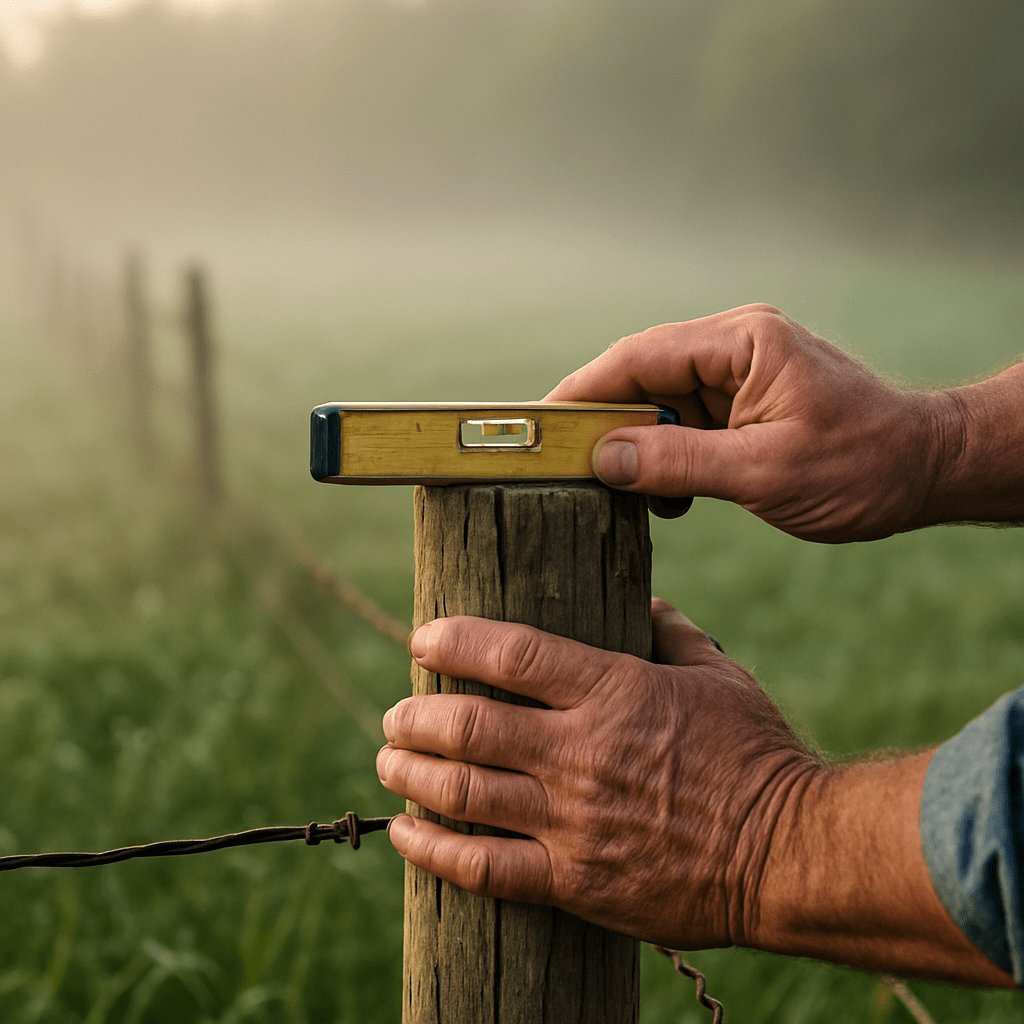
Around here, your word is your bond. A handshake at the feed store is as binding as any contract, and a wave on a back road means you are seen and respected. The gravel might crunch under your tires, the dust might hang in the air, and the sun might be settling behind the ridge, but you still lift your hand in greeting. It is how we have always kept the peace. Part of keeping the peace is guarding the truth like home, protecting it as carefully as we would our gardens from frost or the fences that mark our land. But these days, I have seen more folks twist the truth until you wonder if you dreamed the whole thing up.
That is gaslighting.
Gaslighting is more than a simple disagreement. It is when someone works to make you question what you saw, heard, or felt in your own skin. It is when your memory gets pushed through their filter, and the truth comes back unrecognizable. It might sound like, “That never happened,” or “You are just being dramatic.”
Gaslighting is not just lying. A lie can be told once and left behind; gaslighting is a pattern. It bends or denies the truth over and over until you begin to doubt your own memory, your judgment, even your sanity. Sometimes it is bold, a person rewriting the whole story to make themselves look good. Sometimes it is quiet, a steady stream of small questions that make you second-guess what you know happened.
It works because it targets your trust in yourself. The more you lean on their version of events, the less you lean on your own. Before long, you are relying on the person who caused the confusion to be the one who clears it up. It is a slow takeover of confidence, like letting someone move the furniture in your house until you cannot find your way in the dark. Gaslighting often comes wrapped in calm tones or casual remarks; it can sound like, “I never said that, you must be remembering wrong,” or, “You are imagining things, it was not that bad.” Those comments chip away at certainty until you start wondering if you are the problem.
The damage does not show up all at once, and that is what makes it so dangerous. It is a slow leak, like a drip in the roof you ignore because it is just a little water, until one day the ceiling caves in. Or like someone moving the landmarks in your hometown, you think you know the way, but somehow you are always lost. And when you lose sight of the truth, you lose your footing. Guarding the truth like home means noticing when someone is shifting the ground under your feet and choosing not to let them.
It can happen anywhere. A boss claims you missed a deadline you know you met. A neighbor swears you agreed to something you never even discussed. A family member insists a hurtful comment was just a joke and you are too sensitive. At first, you push back. You defend yourself. Over time, the constant doubt wears you down. You stop trusting your own eyes. You wonder if your feelings are too big, your voice too loud, or your mind too fragile.
It seeps in like fog rolling down the holler, soft at first, then swallowing everything until you cannot see your way forward. Before long, you are shrinking to fit someone else’s version of reality. Once you are small enough, they can shape you however they want. Guarding the truth like home means keeping your boundaries in place even when someone tries to move them.
The turning point comes when you realize the ground under your feet is not steady because someone has been moving it on purpose. That moment is like waking up to find the fences put back where they belong, and knowing you are the one who has to stand there and guard them.
Respect, on the other hand, works in the opposite direction. It builds instead of breaks. Being respectful does not mean you always agree. It means you can stand on opposite sides of a fence and still pass each other a cup of coffee over the rails. It means hearing someone out without making them feel small.
Respect sounds like, “I remember it differently, but I can see how you felt that way.” It is telling the truth without stripping away someone else’s dignity. It is owning your part when you are wrong, and holding your ground without grinding the other person into the dirt when you are right.
Respect is like a quilt stitched from scraps. You may not agree on every color or pattern, but you hold it together because it keeps everyone warm. Guarding the truth like home often means wrapping it in that same kind of care, protecting it so it can protect you.
I have always been taught not to argue with someone just to win, but to talk until you understand each other. That simple habit turns disagreement into dialogue and keeps small cracks from turning into deep divides.
Gaslighting will make you feel like you are losing your mind. Respect will let you keep your mind, your self-worth, and maybe even the relationship. One tears down. The other builds up.
If we chose respect over the constant urge to be right, our towns would feel more like a front porch on a summer evening, when the lightning bugs are out, the crickets are singing, and folks can speak their mind without fear of being cut down. Truth matters. Without it, there is no trust, no real conversation, and no lasting peace.
Guarding the truth like home is not just about protecting facts. It is about keeping the ground under our feet steady, the fences in their rightful place, and the heart of our communities strong enough to last for generations.
 In the quiet
Leave a comment